Bringing Digital Hospitality to Life
Guest habits are shifting and creating exciting opportunities for restaurants.

Digital hospitality is now a restaurant’s new front door. How can operators bring the warmth of the dining room to every digital touchpoint?
Let’s break it down.
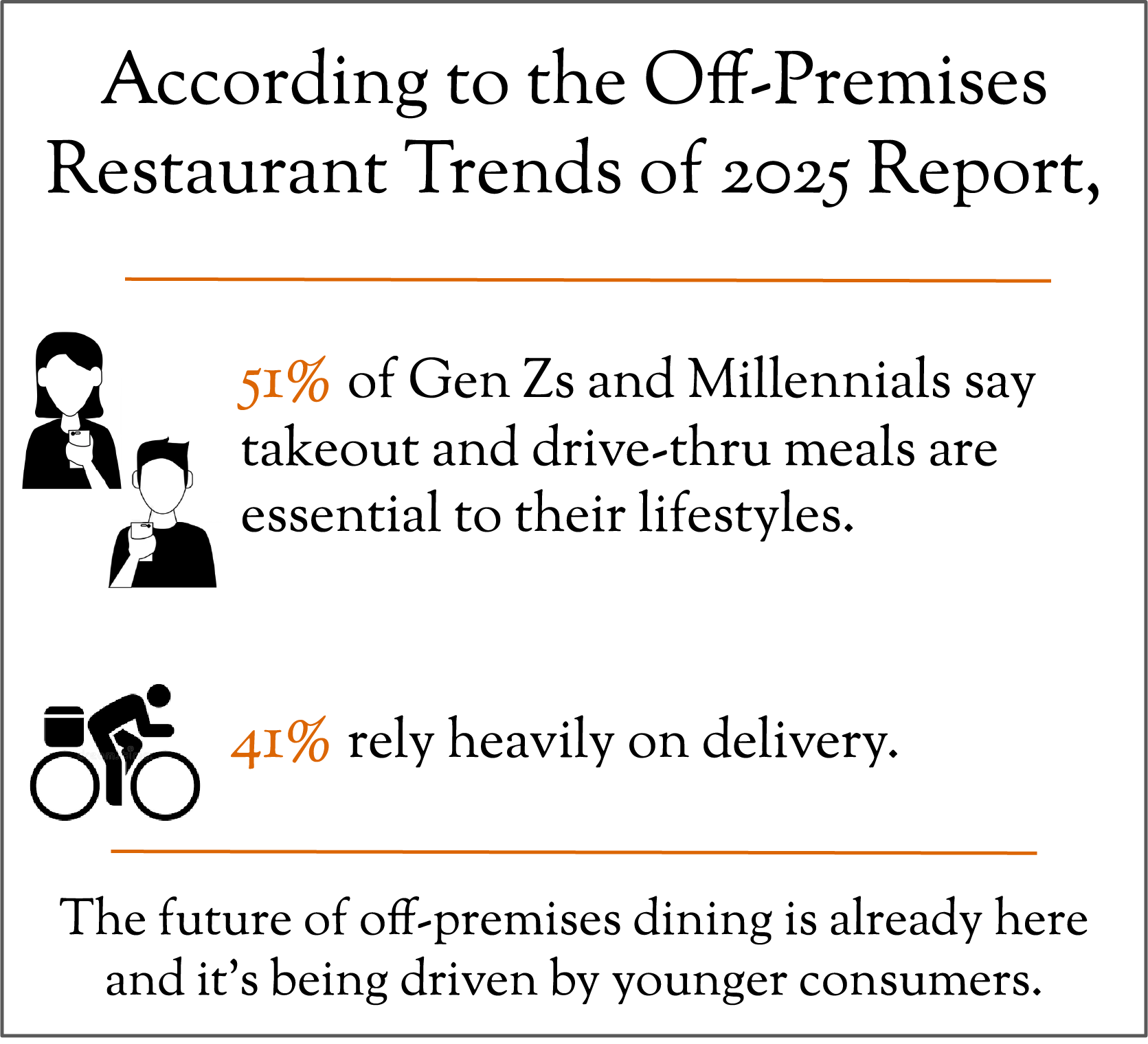
Digital hospitality is how guests feel when they meet a brand online. It’s shaped not just by the tools you use, but by having a thoughtful strategy that ensures every element works together to deliver a seamless guest experience.
In practice, digital hospitality comes down to three things:
In short: digital hospitality is frictionless and every step is built with care – ensuring guests feel valued, even without face-to-face contact.
Guests now expect the same ease from restaurants that they experience with every other digital brand in their lives. Because companies like Amazon, Venmo, and Spotify make the online experience feel instant and seamless, guests will wonder why ordering dinner is any harder. Restaurants that deliver digital hospitality build relationships, trust, and long-term loyal guests.
Every click and confirmation is a chance to deepen a relationship with guests. A smooth ordering flow feels effortless, giving the impression that the restaurant anticipated the guests’ needs. A thoughtful, timely response to a review signals care. Loyalty programs that remember a guest’s preferences make them feel valued.
On the flip side, a broken link, a missing update, or a loyalty reward that doesn’t work can undo months of brand-building in a single moment. Research backs this up – Baymard Institute, a world-class user experience (UX) research firm, found that over 70% of online shopping carts are abandoned, most often because of hidden costs or friction in the checkout process. The same thing happens with restaurant guests, if placing a mobile order feels harder than it should, many won’t take the time and effort to complete the order. And they are unlikely to come back for a second try.
Done right, digital hospitality is an excellent growth driver.
Digital hospitality is the difference between treating online orders as transactions and treating them as relationships. The former fills seats, the latter builds brands.
Hospitality is evolving, and digital is now a core part of the guest journey. Even the best operators can strengthen how they deliver care and connection online.
The future of restaurants will be shaped not by technology alone, but by how people, process, and tools come together to deliver it.
The brands that thrive in this era are the ones that embrace digital hospitality as part of a larger transformation — a chance to strengthen teams, refine operations, and elevate the guest experience.
--------------------
Our Sources, and for Further Reading:
Baymard Institute. (2025, August). 50 Cart Abandonment Rate Statistics 2025 – Cart & Checkout. Retrieved from https://baymard.com/lists/cart-abandonment-rate
Revenue Management Solutions. (2025, January). Restaurant Trends: January 2025 (Q4 Trends). Retrieved from https://www.revenuemanage.com/trends/january-2025/3 Revenue Management Solutions
National Restaurant Association. (2023, March). Restaurant expectations vary widely with different age groups. Retrieved from https://restaurant.org/education-and-resources/resource-library/restaurant-expectations-vary-widely-with-different-age-groups/?utm_source=chatgpt.com4 NRA
Paytronix. (2024, December). Annual Loyalty Report 2024: Realizing Loyalty’s Full Potential. NFS Hospitality. Retrieved from https://www.nfs-hospitality.com/wp-content/uploads/2024/10/Annual-Loyalty-Report-2024.pdf?utm_source=chatgpt.com5 NFS Hospitality
BrightLocal. (2024, March). Local Consumer Review Survey 2024: Trends, Behaviors, and Platforms Explored. Retrieved from https://www.brightlocal.com/research/local-consumer-review-survey-2024/6
National Restaurant Association. (2025, April). Off-Premises Restaurant Trends 2025. Retrieved from https://restaurant.org/research-and-media/research/research-reports/off-premises-restaurant-trends-2025/